Make Porcelain in China’s Ceramic Capital
A two-day Jingdezhen guide for travelers who want to throw, paint and understand porcelain—not just buy a souvenir from a shop.
The best souvenir is understanding how it was made
Jingdezhen’s porcelain has been shaped by imperial kilns, specialist artisans and international trade for centuries. Yet the city becomes much more interesting when you participate in the process. Centering clay on a wheel, painting cobalt decoration or learning why a kiln produces unpredictable results gives you a direct connection to skills that a display case cannot convey.
The key is choosing the right kind of visit. A museum-and-workshop combination suits first-timers; an ancient-kiln visit adds production history; a wood-firing experience is slower and more specialized. Before booking, ask whether the price includes materials, instruction, glazing, firing and shipping. Your piece may not be ready to carry home the same day.
Do more than sightseeing
Bookable experiences in Jingdezhen
These activities give you a practical starting point. Confirm availability, language support, meeting details and current provider prices before booking.
Porcelain Museum & Wheel-Throwing Workshop
Start with the history, then learn basic wheel-throwing with an instructor. This is the clearest first introduction to the city and the craft.
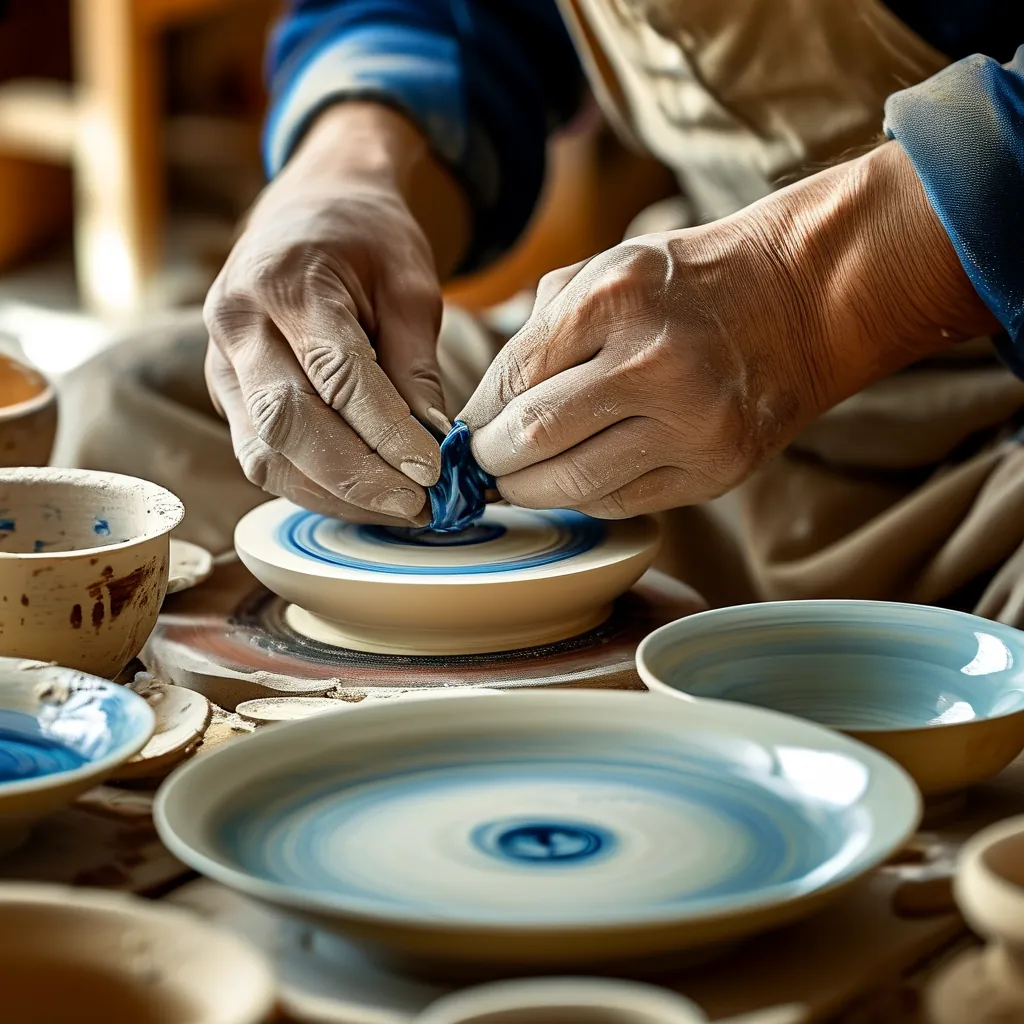
Blue-and-White Porcelain Workshop
Learn the visual language of blue-and-white porcelain and create your own decorated piece with guidance from local artisans.
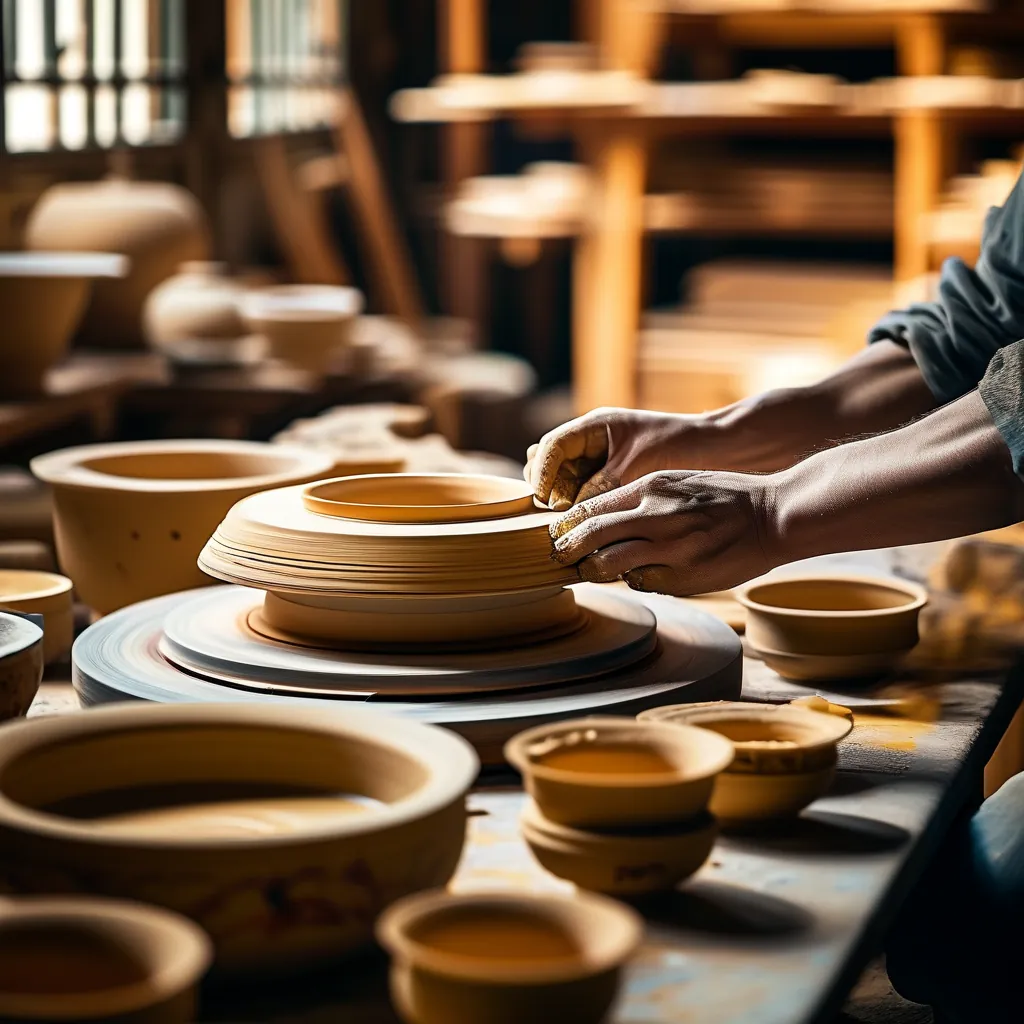
Ancient Kiln Experience
Connect your workshop with the production methods and kiln culture that made Jingdezhen famous.
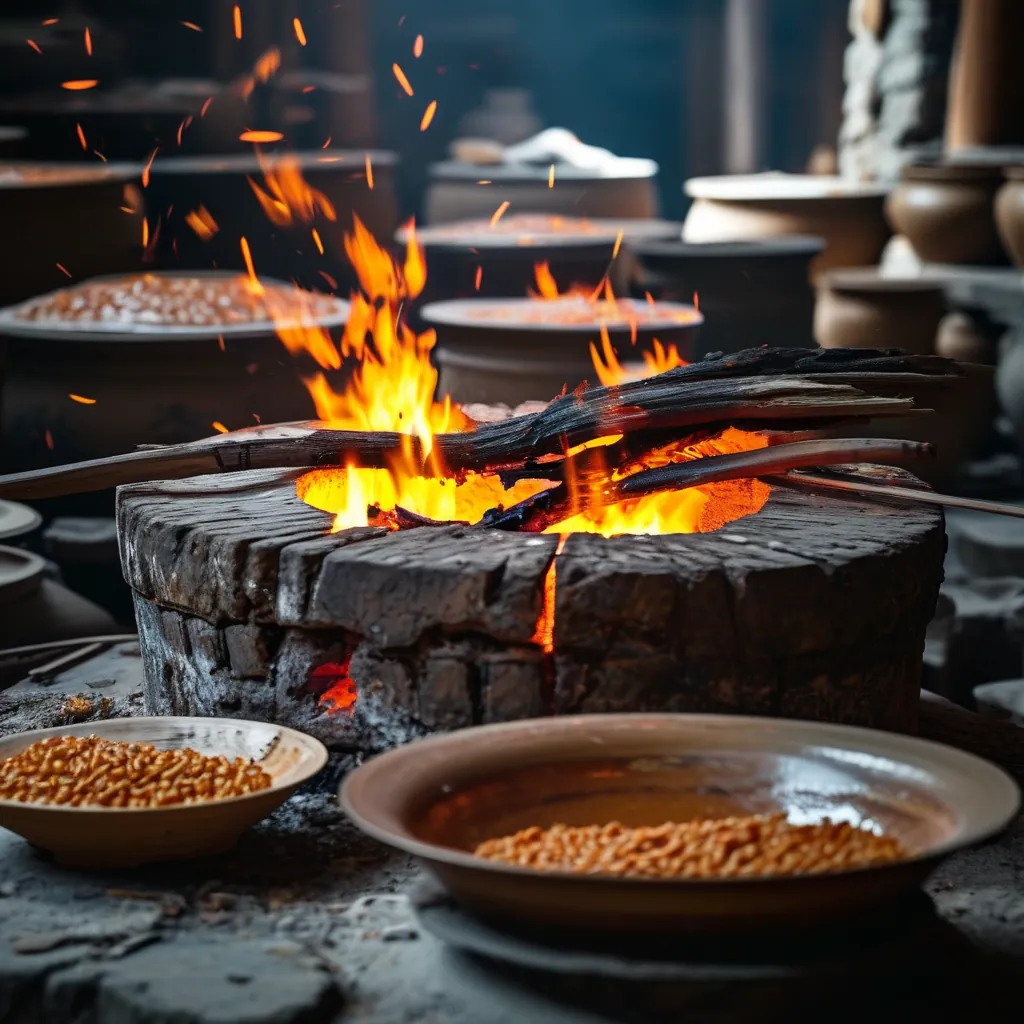
Wood-Fired Kiln Ceramics Firing
A specialist experience centered on loading and firing a traditional wood kiln. Best for travelers who understand the time commitment and want process over convenience.
A practical Jingdezhen itinerary
Day 1
- Begin with a museum or heritage visit so the shapes, glazes and production stages have context before you start working.
- Choose a beginner-friendly wheel-throwing or painting session and wear clothes that can handle clay and pigment.
- Ask before the session how finished pieces are dried, glazed and fired, and whether domestic or international shipping is available.
- Leave time to browse a ceramics market or studio area, comparing handmade work rather than buying the first identical souvenir you see.
Day 2
- Visit an ancient-kiln or production heritage site to see why porcelain making historically depended on many specialized roles.
- Add a second workshop only if it teaches a different stage, such as painting after wheel-throwing; avoid repeating the same beginner class.
- If you join a wood-firing program, treat it as the centerpiece of a longer stay rather than squeezing it into a normal sightseeing day.
- Keep your final evening flexible for packaging, shipping arrangements or a return visit to a studio.
Traveling without Chinese: what to prepare
- Ask whether you will make a piece yourself or mainly watch a demonstration.
- Confirm group size, instructor language, materials and how much hands-on time is included.
- For children or complete beginners, painting may be more satisfying than a technically difficult wheel session.
- Do not assume your finished object will be ready immediately; drying and kiln schedules can take time.
- Get shipping prices, packaging responsibility, delivery estimates and breakage terms in writing.
- If international shipping is unavailable, ask whether the studio can ship to a later Chinese hotel or offer a finished practice piece instead.
- Use 12306 or an international rail agent to compare current train times, then plan transfers from the station to your hotel or workshop area.
- Save workshop addresses in Chinese and confirm the exact meeting point; studio names may not appear consistently in international maps.
- Avoid scheduling a workshop too close to an outbound train if you need to discuss glazing or shipping afterward.
- Set up mobile payment before arrival and carry a backup card and cash.
- Book popular workshops before weekends, but confirm what is included rather than choosing only by headline price.
- Use the experience page to compare provider options, meeting details and cancellation terms in English where available.
Jingdezhen travel FAQ
What is the best pottery workshop in Jingdezhen for beginners?
Look for a small-group session that combines basic instruction with genuine hands-on time. A museum-and-wheel-throwing combination is a strong first choice, while ceramic painting is often easier for younger travelers or anyone who prefers decoration to wheel work.
Can I take my Jingdezhen pottery home immediately?
Usually you should not assume so. Clay must dry and may need glazing and firing. Ask the studio about the timeline, shipping options, packaging and what happens if a piece breaks before you pay.
How many days do I need in Jingdezhen?
Two days are enough for a museum or kiln visit, one or two different workshops and time around local studios. Add time for a multi-day wood-firing program or a deeper ceramics course.
Is Jingdezhen worth visiting if I do not collect porcelain?
Yes. The city is as much about labor, design, trade and industrial heritage as collecting. A workshop turns those themes into a direct experience, but travelers who strongly dislike hands-on activities may prefer a shorter stay.
Sources and further reading
Transport, opening arrangements and ticketing rules can change. Use these sources to verify details close to your travel date.
Continue beyond the big cities
Build Jingdezhen into your China itinerary
Combine the city with your gateway destination, travel pace and interests.
Create My Itinerary